
The Role of Weather in Roof Damage: What Homeowners Should Know
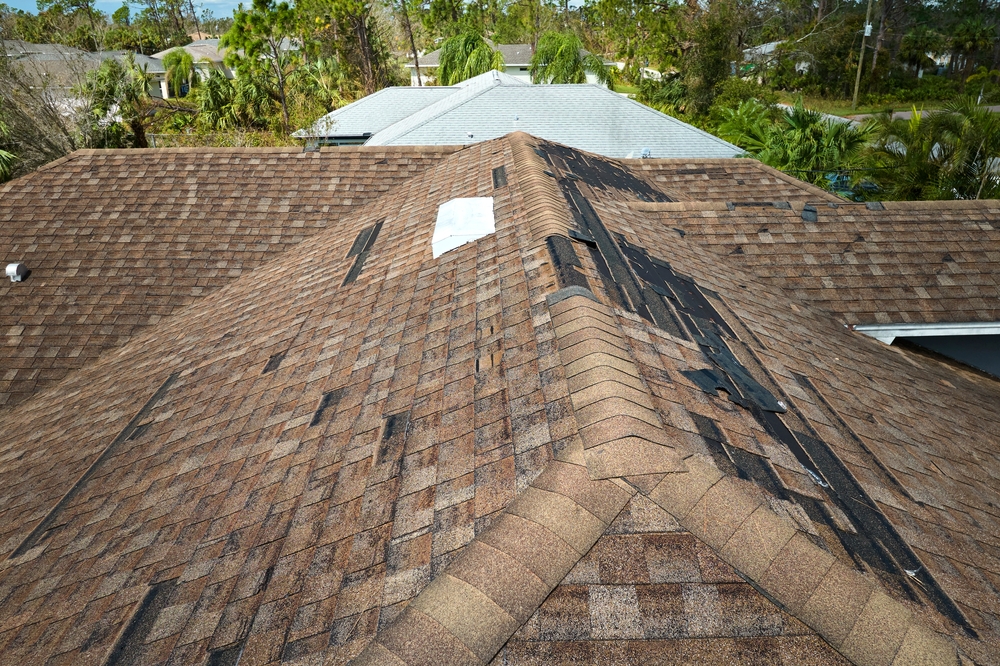
Homeowners in Georgia know all too well that the weather is unpredictable and often extreme. From sweltering summers to sudden thunderstorms, the state’s diverse climate plays a significant role in roof longevity. Understanding how different weather conditions affect roofing materials is the first step in protecting your home. While roofs are built to withstand the elements, they are not invincible.
Rain, wind, hail, snow, and intense sunlight each wear down a roof in unique ways. Over time, this wear leads to issues such as leaks, structural weakness, and even total roof failure if not addressed. Homeowners who understand these weather-driven risks can better prepare, maintain, and ultimately extend the life of their roofs.
In Georgia, where heat and humidity dominate much of the year, roofs are often exposed to conditions that accelerate aging. Moisture intrusion, UV radiation, and sudden temperature changes create a perfect storm for roof damage. The key to avoiding costly repairs lies in recognizing these threats early and taking proactive steps to ensure proper roof protection.
Heat and Sun: The Silent Destroyers
Georgia’s summers are known for intense heat and glaring sunshine, and both take a toll on roofing materials. High temperatures cause roofing materials to expand. At night, when the temperatures drop, these materials contract. This daily cycle of expansion and contraction leads to material fatigue, cracking, and warping over time.
Asphalt shingles, one of the most common roofing materials, are particularly vulnerable to ultraviolet (UV) radiation. Prolonged exposure to UV rays causes the protective granules on shingles to deteriorate, leaving the underlying asphalt exposed. Once that protection wears off, the shingles can dry out, curl, and become brittle, reducing their ability to shield your home from rain and debris.
Moreover, the heat radiating from the sun doesn’t just affect the exterior. It can also increase attic temperatures significantly if the roof is poorly ventilated. This trapped heat can bake roofing materials from underneath, causing premature aging and adding stress to the entire roofing system. Proper ventilation and using reflective roofing materials are two effective strategies for enhancing roof protection against Georgia’s sweltering heat.
Rain and Humidity: Moisture’s Many Faces
While Georgia’s warm climate contributes to roofing wear, it’s the rain and high humidity that often deliver the most direct damage. Water is a relentless force that seeks any opening it can find. If your roof has even a small crack or missing shingle, water can infiltrate, leading to leaks and the dreaded mold or mildew.
One of the most insidious weather effects on Georgia roofs is the accumulation of moisture beneath roofing materials. This can happen if the roof’s flashing is damaged or if ventilation is insufficient. Moisture can weaken the underlying wooden structures, rot the decking, and reduce the effectiveness of insulation.
Humidity, while less visible than rain, also plays a critical role. Constant exposure to humid air allows condensation to form under shingles and tiles, further degrading materials. Algae and moss, common in humid climates, also thrive on moist rooftops. These organisms don’t just look unsightly; they retain water and can cause the roofing surface to deteriorate faster.
To combat moisture damage, it’s essential to conduct regular roof inspections, especially after storms. Ensuring that gutters are clean and that the roof’s drainage system is functioning correctly helps prevent water from pooling and seeping through weak points.
Storms, Wind, and Hail: Sudden Threats to Roof Integrity
While heat and moisture erode your roof gradually, storms pose immediate and often severe threats. Georgia residents are no strangers to thunderstorms, tornadoes, and even the occasional tropical system. These weather events can unleash powerful winds and hail that damage roofing in minutes.
High winds can lift shingles or tiles, break their seal, or blow them completely off the roof. When the protective layers of your roof are compromised, water intrusion becomes almost inevitable. In extreme cases, wind can cause structural damage to the entire roofing system.
Hail is another significant concern. Even small hailstones can leave dents in metal roofing, crack tiles, or shatter asphalt shingles. The damage may not always be visible from the ground, but hail can weaken roofing materials to the point where leaks develop over time. The cumulative effect of multiple hailstorms in a single season can significantly shorten your roof’s lifespan.
To improve roof protection against storm damage, consider using impact-resistant shingles or materials rated for high-wind resistance. After every major storm, it’s wise to have a professional roof inspection, even if no damage is visible. Early detection and repair can prevent a small issue from turning into a costly replacement.
Winter Weather and Temperature Swings
Though Georgia is known for its heat, winter weather still poses unique challenges for homeowners. Ice and snow, while less frequent, are not unheard of in the northern parts of the state. Even a thin layer of ice can create hazardous conditions for a roof.
Ice dams, formed when snow melts and refreezes at the edge of the roof, can trap water underneath the shingles. This water can back up under the roofing materials, leading to leaks and interior water damage. Additionally, the weight of snow and ice can stress roof structures not designed to carry heavy loads.
Perhaps more common in Georgia are the rapid temperature swings during the fall and winter months. These swings cause expansion and contraction of roofing materials, which over time can loosen fasteners, crack sealants, and compromise flashing. The freeze-thaw cycle can also widen small cracks, leading to bigger problems as water infiltrates and expands when frozen.
Homeowners can minimize cold-weather damage by ensuring their attic is well-insulated and ventilated. This helps keep the roof’s surface temperature more stable, reducing the risk of ice dams and condensation.
Long-Term Maintenance: Your Best Defense
No matter how severe the weather effects on Georgia roofs may be, consistent maintenance remains the most effective strategy for ensuring longevity and performance. Many roofing problems begin as minor issues that go unnoticed until they escalate into expensive repairs. Regular inspections, ideally conducted twice a year and after major storms, can reveal hidden vulnerabilities.
A maintenance plan should include checking for loose or missing shingles, examining flashing for gaps, ensuring gutters are clear, and verifying that ventilation systems are functioning properly. Hiring a certified roofing professional for inspections can give homeowners peace of mind and accurate assessments.
Another important aspect of roof protection is ensuring that warranties and insurance policies are up to date. Homeowners should understand what types of weather damage are covered under their policies and document the condition of their roofs with photos and inspection reports. In the event of a storm, this documentation can expedite insurance claims and reduce out-of-pocket costs.
Finally, investing in quality materials during roof installation or replacement pays dividends. Choosing materials suited to Georgia’s climate, such as UV-resistant shingles or metal roofing systems with proper coatings, can extend the lifespan of your roof and reduce maintenance costs.
Conclusion
Weather is one of the most influential factors in determining the lifespan and effectiveness of a roof. For homeowners in Georgia, the constant cycle of heat, rain, storms, and temperature swings creates an ongoing battle against roof damage. The weather effects on Georgia roofs are not to be underestimated, but they can be managed with the right knowledge and preparation.
By understanding how different weather conditions impact roofing systems and committing to regular maintenance and inspections, homeowners can safeguard their most important investment: their home. Roof protection is not just about materials or design; it’s about vigilance, timely action, and staying informed. Taking proactive steps today ensures your roof stands strong through all the seasons Georgia’s climate has to offer.
Need a Roofing Contractor Near You?
At Trademark Design & Construction, we bring over 30 years of experience to every project in Suwanee, GA and the greater Atlanta area—whether it’s roofing, siding, windows, decks, or more. We take pride in doing things right the first time, and we’d love the opportunity to show you the difference our dedication makes. Reach out to us today and let’s start building something great together!